
You’ve bought Bitcoin, Ethereum, or USDT. Now comes the main question: where should you store it? Leave it on an exchange? Transfer it to a mobile app? Or buy a dedicated hardware device?
In the world of cryptocurrency, the answer is simple: **control your own keys**. To do that, you need to understand the difference between hot and cold wallets. In this article, we’ll explain the different types of crypto wallets, their pros and cons, and how to choose the best option for securely storing your digital assets.
What Is a Crypto Wallet and Why Do You Need One?
A crypto wallet is **not** a place where your coins are stored. Instead, it is software or a physical device that stores your **private keys**—secret codes that give you access to your funds on the blockchain. If you lose your private keys, you lose access to your cryptocurrency forever.
The golden rule: if you don’t control your keys, you don’t control your money.
Hot Wallets – Always Connected to the Internet
Hot wallets are wallets connected to the internet. They are convenient for everyday transactions, trading, and storing smaller amounts of cryptocurrency.
Examples of Hot Wallets:
- Mobile apps: Trust Wallet, MetaMask (for ERC20/BEP20 tokens), Exodus
- Desktop wallets: Electrum (for Bitcoin), Atomic Wallet
- Exchange and online wallets (Binance, Bybit, HTX) — the riskiest storage option
Advantages of Hot Wallets:
- Instant access to your funds—simply open the app and send crypto
- Convenient for trading, transfers, and payments
- Usually free to use
- Easy for beginners thanks to intuitive interfaces
Disadvantages of Hot Wallets:
- Vulnerable to hackers, malware, and phishing attacks
- If your phone or computer is compromised, your funds can be stolen
- Your private key (seed phrase) is stored on an internet-connected device
Golden rule: A hot wallet is like the cash wallet in your pocket. Keep only the amount you’re willing to spend or trade in the near future.
Cold Wallets – Completely Offline Storage
Cold wallets store your private keys **without exposing them to the internet**. They are the ideal solution for long-term storage of significant cryptocurrency holdings.
Types of Cold Wallets:
| Type | Examples | Security Level | Price |
|---|---|---|---|
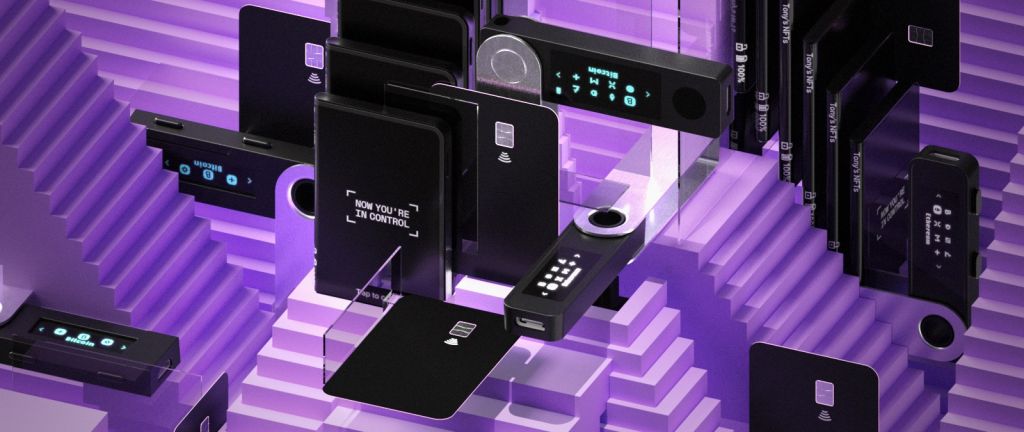
| Hardware Wallets | Ledger Nano X, Trezor Model T, SafePal | ★★★★★ (Very High) | $50–$150 |
| Paper Wallets | Printed private key or QR code | ★★★★☆ (High, but easy to lose) | Free |
| Offline Software Wallets | Wallet installed on an offline computer | ★★★☆☆ (Requires technical knowledge) | Free |
Advantages of Cold Wallets:
- Cannot be hacked remotely
- Your private keys remain safe even if your computer is infected with malware
- Ideal for holdings of 1,000 USDT or more
- Most hardware wallets support thousands of cryptocurrencies
Disadvantages of Cold Wallets:
- Less convenient for frequent transactions—you need to connect the device
- Hardware wallets cost money (but it’s insurance for your crypto assets)
- If you lose your seed phrase, your funds cannot be recovered
Hot Wallet vs Cold Wallet
| Criteria | Hot Wallet | Cold Wallet |
|---|---|---|
| Internet Connection | Always online | Only when connected (or never) |
| Convenience for Trading | High | Low |
| Risk of Hacking | High | Minimal |
| Recommended Balance | Up to 500–1,000 USDT | 1,000 USDT and above |
| Cost | Free | From free (paper) to $150 (hardware) |
| Best For | Beginners, active traders | Long-term investors, large holders |
The Most Important Rule of Crypto Security
“Not your keys, not your coins.”
If you store your BTC or USDT on an exchange, you don’t truly own the private keys. The platform does.
It may:
- Freeze withdrawals
- Block your account
- Be hacked (as happened with Mt.Gox, FTX, and Cryptopia)
Best practices:
- For trading and frequent transactions — keep only a small amount on an exchange or hot wallet
- For long-term savings — transfer your assets to a cold wallet
- For exchanging crypto through Cryptosha — send only the amount you want to exchange and receive your fiat payment immediately
How to Store Your Seed Phrase Safely
A seed phrase is a list of 12 or 24 English words that can restore access to your cryptocurrency on any compatible wallet. Never share it with anyone, even if someone claims to be customer support.
Seed Phrase Storage Rules:
-
- Write it down on paper (or engrave it on metal) and store it in a safe
- Keep a second backup in another secure location (family member’s home or a bank safe deposit box)
- Consider splitting the phrase into two parts for additional security
- DO NOT store your seed phrase in phone notes, cloud storage, screenshots, Telegram, or email
- DO NOT photograph your seed phrase—cloud services and compromised devices may expose it
Which Wallet Should You Choose?
| Your Situation | Recommendation |
|---|---|
| You’re just getting started, less than 500 USDT | Trust Wallet, MetaMask, or another reputable hot wallet |
| You hold between 500 and 5,000 USDT | An affordable hardware wallet (SafePal, Ledger Nano S) |
| Long-term savings over 5,000 USDT | Trezor or Ledger Nano X plus a paper backup of your seed phrase stored in a safe |
| Preparing to exchange crypto for fiat | Keep the required amount in a hot wallet for convenient transfers |
Frequently Asked Questions About Crypto Wallets
Question: Can I store all my cryptocurrencies in one wallet?
Answer: Yes. Many multi-currency wallets such as Trust Wallet, Exodus, and Ledger support Bitcoin, Ethereum, USDT, BNB, and hundreds of other cryptocurrencies. However, for maximum security, it’s recommended to distribute larger holdings across multiple wallets.
Question: What happens if I lose my phone with a hot wallet?
Answer: If you have your seed phrase backed up, you can restore your wallet on a new device. Without the seed phrase, your funds are permanently lost.
Question: Can a hardware wallet break? Will I lose my crypto?
Answer: Your cryptocurrency is stored on the blockchain, not inside the hardware wallet itself. If your Ledger or Trezor stops working, simply purchase another compatible device and restore your wallet using your seed phrase.
Question: Can I exchange USDT directly from a cold wallet?
Answer: Technically yes. You can send USDT directly from your cold wallet to the exchange service. However, for occasional transactions it’s usually more convenient to first transfer the required amount to a hot wallet.
Question: Which hardware wallet is the most secure?
Answer: Among the most popular options are Trezor Model T and Ledger Nano X. Trezor uses open-source firmware, while Ledger uses proprietary firmware that has earned widespread trust over the years. Both support thousands of cryptocurrencies.
Why Cryptosha Cares About Your Security
Cryptosha (Cryptosha.top) is more than just a cryptocurrency exchange service—we care about protecting your digital assets.
We always recommend:
- Never store large amounts on exchanges or exchange services
- Use cold wallets for long-term storage
- Transfer only the amount you plan to exchange right now
Whenever you need to quickly and securely exchange USDT, BTC, or any other cryptocurrency, visit Cryptosha. We’ll lock in the exchange rate at the time of your order and transfer the funds to your preferred bank card or payment method.
Cryptosha — your trusted partner in the world of cryptocurrency.